The Appalachian Mountains stretch across 14 U.S. states, from Alabama to Maine, offering a rare combination of mountain scenery, living history, and small-town character that modern hotel chains rarely capture. Travelers searching for historical hotels in the Appalachian Mountains are typically looking for properties rooted in the region's heritage - think 19th-century resort architecture, Civil War-era towns, and Gilded Age spa traditions - rather than standard roadside accommodations. This guide compares 15 properties across Pennsylvania, Virginia, Maryland, New York, and Georgia to help you find the right historical stay based on your route, travel style, and budget.
What It's Like Staying in the Appalachian Mountains
Staying in the Appalachian Mountains means trading urban convenience for immersive, landscape-driven travel - small towns serve as base camps for ridge hiking, scenic drives, and heritage tourism along corridors like the Shenandoah Valley, the Pocono Plateau, and the Cumberland Plateau. Car travel is essentially mandatory throughout most of the range; public transit is limited or nonexistent between mountain towns, and distances between attractions can easily exceed 40 miles. Crowd patterns vary sharply by season: fall foliage (mid-October) and summer weekends draw the heaviest traffic, while spring and winter offer quieter access to the same landscapes and historic properties at lower rates.
Pros:
- Direct access to Appalachian Trail trailheads, state parks, and heritage sites without driving through urban congestion
- Historical properties in this region often occupy genuinely significant buildings - mineral springs resorts, Victorian inns, and pre-Civil War structures with authentic period detail
- Slower travel pace suits multi-night stays focused on hiking, cycling, and exploring local history
Cons:
- No major hub airports nearby - most properties are 40 to 80 km from the nearest regional airport, requiring a rental car
- Dining and nightlife options in smaller Appalachian towns are limited after 9 PM, especially outside peak season
- Cell service and broadband can be unreliable in deeper mountain valleys, which affects remote workers
Why Choose Historical Hotels in the Appalachian Mountains
Historical hotels in the Appalachian Mountains deliver a sense of place that modern chain properties simply cannot replicate - many are built on sites with documented histories stretching back to the 1700s and 1800s, when the region attracted wealthy visitors seeking mineral spring cures, mountain air, and railroad leisure travel. Room rates at historically significant Appalachian properties can run around 40% higher than comparable modern hotels in the same towns, but that premium typically buys genuine architectural character, larger grounds, and amenities like spa facilities or resort-scale dining that justify longer stays. Trade-offs are real: older buildings sometimes mean thicker walls and quieter corridors but also variable room sizes, limited elevator access in some wings, and the occasional maintenance quirk that comes with century-old structures.
Pros:
- Many historical Appalachian hotels include resort-scale facilities - pools, spas, tennis courts, multiple dining venues - that budget options in the region lack entirely
- Authentic period architecture and landscaped grounds provide a visual and atmospheric experience that is specific to the Appalachian Mountain context
- Historical properties in this region are often clustered near key heritage attractions, reducing drive time to sites like Luray Caverns, Fallingwater, or the Shenandoah Valley
Cons:
- Higher nightly rates compared to roadside chain hotels in the same mountain corridors
- Some historical properties have limited parking or narrow access roads that can be challenging for large vehicles or RVs
- Peak-season availability at top historical resorts books out weeks in advance, reducing last-minute flexibility
Practical Booking & Area Strategy for the Appalachian Mountains
The Appalachian Mountain corridor splits naturally into several distinct travel zones, each with its own character and logistics. In Pennsylvania, the Bedford Springs and Somerset areas anchor the southern Alleghenies, putting guests within reach of Fallingwater, Seven Springs Mountain Resort, and the Lincoln Highway Heritage Corridor. The Pocono Mountains zone - anchored by Stroudsburg - connects to the Delaware Water Gap and is within around 40 km of Lehigh Valley International Airport, making it the most accessible entry point from the Northeast. Virginia's Shenandoah Valley, centered on New Market, places travelers between Luray Caverns (22 km) and Endless Caverns (9 km), with Skyline Drive accessible for day trips along the Blue Ridge. In New York's Finger Lakes and Saratoga Springs corridor, the focus shifts to horse racing heritage, wine trails, and 19th-century resort culture. For the best rates, book at least 6 weeks ahead for fall foliage season and summer weekends; winter and early spring offer the same historical properties at meaningfully lower prices with far thinner crowds.
Best Value Historical Stays
These properties offer solid historical character, reliable facilities, and practical positioning along major Appalachian travel corridors - all at rates that keep multi-night stays budget-friendly.
-
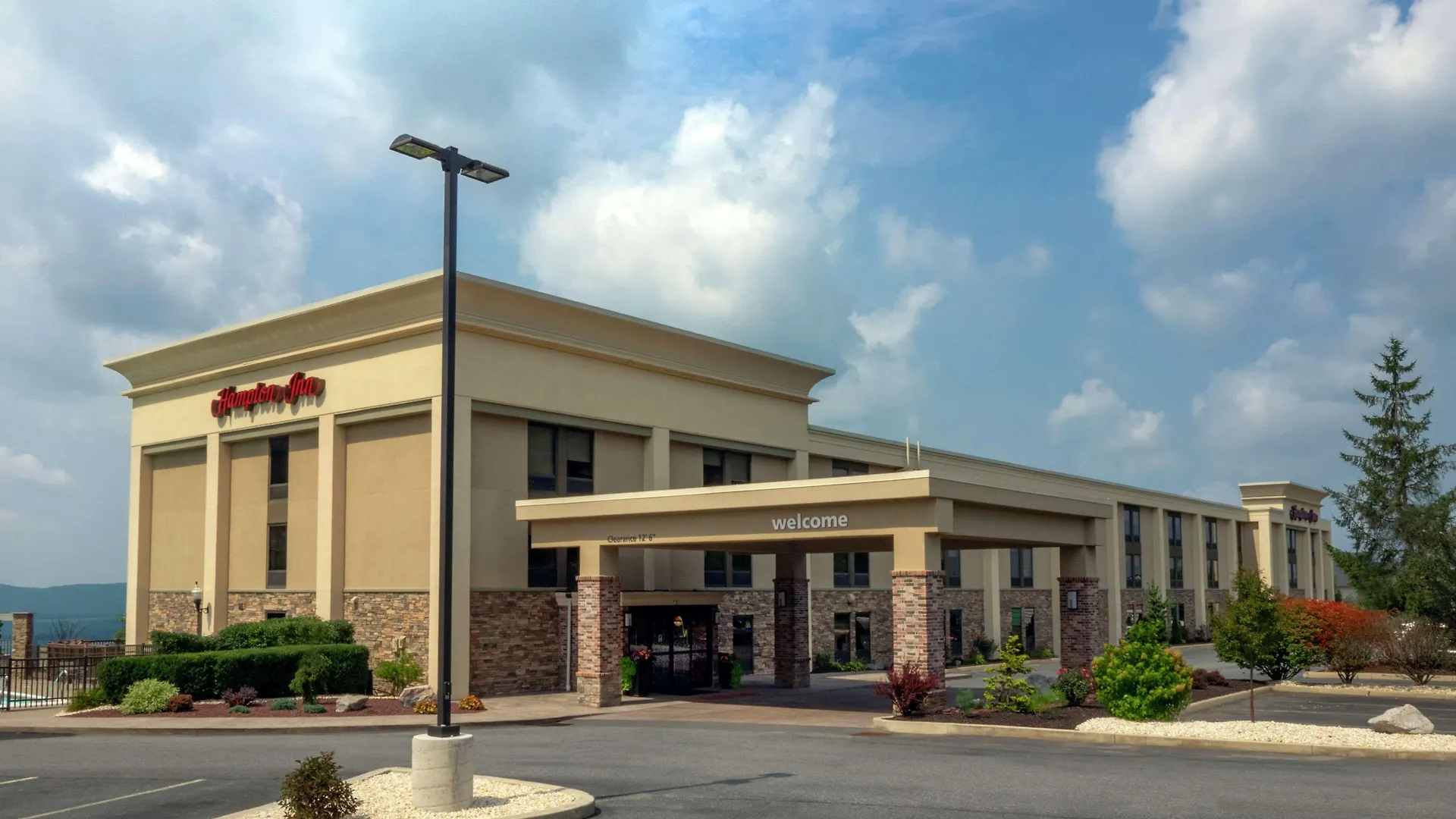
1. Hampton Inn Hazleton
Show on map


 Check-infrom 15:00 until 23:00Check-outfrom 05:00 until 11:00
Hurry – almost gone at this price!
fromUS$ 130
-
2. Best Western Grand Victorian Inn
Show on map


 Check-infrom 15:00 until 23:59Check-outuntil 11:00
Best price guarantee
fromUS$ 84
-
3. Holiday Inn Express Selinsgrove By Ihg
Show on map


 Check-infrom 15:00 until 23:59Check-outuntil 11:00
Best price guarantee
fromUS$ 128
-
4. Quality Inn & Suites Big Stone Gap
Show on map


 Check-infrom 15:00 until 23:59Check-outuntil 11:00
Rooms filling fast – secure the best rate!
fromUS$ 94
-
5. Quality Inn Shenandoah Valley
Show on map


 Check-infrom 15:00 until 23:59Check-outuntil 11:00
Just a few rooms left at the best rate!
fromUS$ 171
-
6. Hampton Inn Clearfield
Show on map


 Check-infrom 15:00 until 23:59Check-outuntil 11:00
Rooms filling fast – secure the best rate!
fromUS$ 62
-
7. Quality Inn Cedartown
Show on map


 Check-infrom 15:00 until 23:59Check-outuntil 11:00
Just a few rooms left at the best rate!
fromUS$ 70
-
8. Super 8 By Wyndham Danville
Show on map


 Check-infrom 15:00 until 23:59Check-outuntil 11:00
Just a few rooms left at the best rate!
fromUS$ 53
-
9. Hampton Inn Tunkhannock
Show on map


 Check-infrom 15:00 until 23:59Check-outuntil 11:00
Just a few rooms left at the best rate!
fromUS$ 137
Best Premium Historical Stays
These properties deliver resort-scale facilities, documented historical significance, or exceptional positioning near the Appalachian Mountains' most visited heritage landmarks - worth the higher nightly investment for longer stays or special occasions.
-
10. Omni Bedford Springs Resort & Spa
Show on map


 Check-infrom 16:00 until 23:59Check-outuntil 11:00
Hurry – almost gone at this price!
fromUS$ 146
-
2. Saratoga Arms Hotel
Show on map


 Check-infrom 15:00 until 22:00Check-outuntil 11:00
Rooms filling fast – secure the best rate!
fromUS$ 409
-
3. Barrister'S Bed & Breakfast
Show on map


 Check-infrom 15:00 until 21:00Check-outfrom 10:00 until 11:00
Hurry – almost gone at this price!
fromUS$ 169
-
13. The Lodges At Sunset Village
Show on map


 Check-infrom 15:00 until 16:00Check-outfrom 09:00 until 11:00
Best price guarantee
fromUS$ 157
-
5. Fairfield Inn & Suites By Marriott Somerset, Pa
Show on map


 Check-infrom 15:00 until 23:59Check-outuntil 11:00
Hurry – almost gone at this price!
fromUS$ 118
-
6. Hampton Inn & Suites Stroudsburg Bartonsville Poconos
Show on map


 Check-infrom 16:00 until 23:59Check-outfrom 06:00 until 11:00
Best price guarantee
fromUS$ 129
Smart Travel & Timing Advice for the Appalachian Mountains
The Appalachian Mountains operate on a strongly seasonal tourism rhythm that directly affects hotel availability and pricing across all property types. Fall foliage season - peaking between mid-October and early November depending on elevation - is the single busiest period, with occupancy at premium historical properties like Omni Bedford Springs reaching capacity on weekends. Summer (June through August) brings consistent demand to Pocono and Shenandoah Valley properties, particularly on weekends when day-trippers from Philadelphia, New York, and Washington D.C. extend their stays. Spring (April to May) is the most underrated season: wildflower blooms on the Appalachian Trail, lower room rates, and thin crowds at heritage sites like Luray Caverns and the Women's Rights National Historical Park in Seneca Falls. Winter is viable for properties near ski infrastructure - Seven Springs, Jack Frost Mountain, and the Poconos resorts - but slower for heritage-only destinations. Book at least 6 weeks ahead for any October weekend at a historical property in Pennsylvania or Virginia; for spring and winter stays, last-minute rates are often available and can undercut advance booking prices by a meaningful margin. Plan for a minimum of 2 nights at any single Appalachian base to make the drive worthwhile and allow proper exploration of the surrounding heritage landscape.