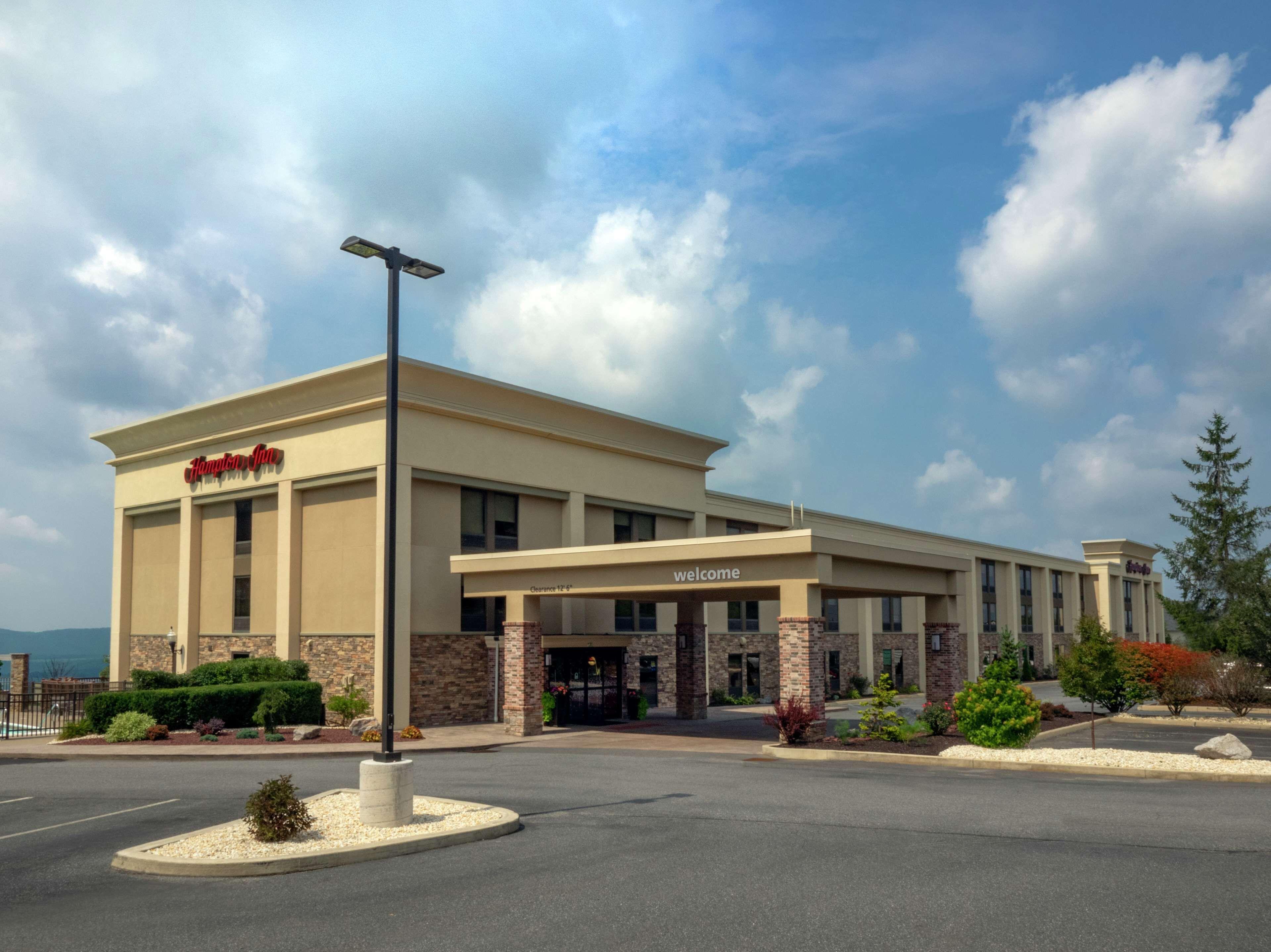
The Appalachian Mountains stretch over 2,400 kilometers across 14 states, creating one of the most diverse road-trip and outdoor-adventure corridors in the United States. Motels along this range serve as practical, no-fuss bases for hikers, anglers, skiers, and road-trippers who spend most of their time outdoors rather than in their rooms. This guide covers 8 vetted motel options across key Appalachian gateway towns - from Franklin, NC to Dunmore, PA - helping you match your stop to your route and budget.
What It's Like Staying in the Appalachian Mountains
Staying in the Appalachian Mountains means trading urban density for trail access, scenic byways, and small-town rhythms. Most gateway towns - such as Cleveland, TN, Morristown, TN, Franklin, NC, and Sayre, PA - are compact and car-dependent, with attractions like state parks, fishing rivers, and ski slopes rarely walkable from your motel. Peak seasons in autumn and summer push occupancy close to full at well-positioned properties, so booking at least 3 weeks in advance is a realistic minimum during leaf-peeping season in October.
Crowds are highly localized: trailheads near Great Smoky Mountains fill by 9 AM on weekends, while towns in northern Appalachia (Pennsylvania, New York) see lighter pressure. A car is non-negotiable - public transport between Appalachian towns is essentially absent, and most motels sit off interstate exits rather than in walkable town cores.
Pros:
- Direct access to hiking, fishing, and skiing without urban traffic
- Motel rates along Appalachian corridors run significantly lower than mountain resort hotels
- Interstate-adjacent locations make multi-stop road trips highly efficient
Cons:
- Almost no public transport - every activity requires driving
- Dining options near budget motels are limited, especially past 9 PM
- Cell and data coverage can be patchy in valley and rural sections of the range
Why Choose a Motel in the Appalachian Mountains
Motels along the Appalachian corridor are purpose-built for travelers who use their room as a launchpad, not a destination. Unlike mountain lodges or resort hotels, motels here typically offer ground-floor room access, large parking areas suited for gear-loaded vehicles, and check-in flexibility that works with unpredictable trail schedules. Rates at Appalachian motels average noticeably lower than branded mountain resorts, making multi-night stays across different states financially realistic for through-travelers.
Room sizes are generally functional rather than spacious - expect standard queen or double layouts with basics like microwaves, mini-fridges, and cable TV included as standard. Trade-offs include thinner walls, limited on-site dining, and proximity to interstate noise at some locations. Travelers focused on outdoor activity rather than in-room comfort gain the most value from this category here, as amenities like pools and free parking matter more than spa facilities.
Pros:
- Ground-floor parking-lot access is ideal for carrying hiking, fishing, or ski gear
- In-room microwaves and fridges allow self-catering, cutting food costs on long trips
- 24-hour reception at most properties accommodates flexible outdoor itineraries
Cons:
- On-site dining is limited or absent at most budget motel options
- Room soundproofing is typically basic - interstate noise can be a factor
- Seasonal pools are unavailable outside late spring through early fall
Practical Booking & Area Strategy
Positioning matters significantly along the Appalachian range. Tennessee gateway towns like Cleveland and Morristown provide quick interstate access via I-75 and I-81, placing you within around 30 minutes of multiple trailheads, state parks, and the Great Smoky Mountains Expo Center. Franklin, NC sits deeper into the southern Appalachians and is best suited to travelers targeting the Nantahala National Forest or the Great Smoky Mountains Railroad experience. In northern Appalachia, Sayre, PA and Dunmore, PA anchor routes toward the Endless Mountains and Pocono-adjacent terrain, while Wilmington, NY - served by the Hungry Trout Resort - is the strongest base for Whiteface Mountain skiing and Adirondack hiking.
Book Tennessee properties earliest for October (fall foliage season) and June through August - these windows push availability down fast across all price tiers. For ski-season travelers heading to Wilmington, NY, January and February weekends book out weeks in advance. Athens, TN and Rome, GA offer the loosest availability year-round and are best used as overnight stops on longer Appalachian road-trip routes rather than multi-night bases.
Best Value Stays
These motels deliver solid functionality at competitive price points, making them well-suited for road-trippers and outdoor enthusiasts who need a reliable overnight base without overpaying along the Appalachian corridor.
-
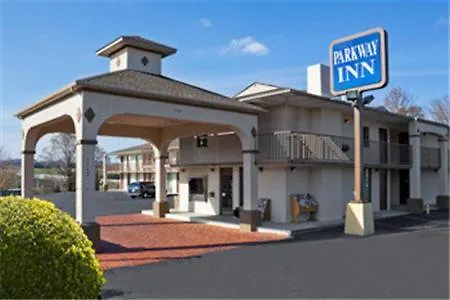
1. Parkway Inn
Show on map


 Check-infrom 13:00 until 23:59Check-outuntil 11:00
Hurry – almost gone at this price!
fromUS$ 60
-
2. Days Inn By Wyndham Cleveland Tn
Show on map


 Check-infrom 15:00 until 23:59Check-outuntil 11:00
Just a few rooms left at the best rate!
fromUS$ 76
-
3. America'S Best Value Inn-Athens
Show on map


 Check-infrom 15:00 until 23:59Check-outuntil 11:00
Rooms filling fast – secure the best rate!
fromUS$ 63
-
4. Dunmore Inn
Show on map


 Check-infrom 15:00 until 23:30Check-outuntil 11:00
Just a few rooms left at the best rate!
fromUS$ 75
-
5. Garden Inn & Suites
Show on map


 Check-infrom 13:00 until 14:00Check-outfrom 10:00 until 11:00
Hurry – almost gone at this price!
fromUS$ 105
Best Premium Stays
These properties offer stronger amenity sets, more distinctive locations, or added facilities that justify higher nightly rates - particularly for travelers who want more than a functional overnight stop in the Appalachian region.
-
6. Carolina Motel
Show on map


 Check-infrom 15:00 until 23:59Check-outuntil 11:00
Rooms filling fast – secure the best rate!
fromUS$ 100
-
7. Hungry Trout Resort
Show on map


 Check-infrom 15:00 until 23:59Check-outuntil 11:00
Best price guarantee
fromUS$ 169
-
8. Best Western Grand Victorian Inn
Show on map


 Check-infrom 15:00 until 23:59Check-outuntil 11:00
Just a few rooms left at the best rate!
fromUS$ 84
Smart Travel & Timing Advice for the Appalachian Mountains
The Appalachian Mountains have two clear demand peaks: summer (June-August) for hiking and whitewater, and October for fall foliage - the single busiest period across nearly all gateway towns. October leaf-peeping weekends in Tennessee and North Carolina can push motel rates up by around 40% compared to September, and availability at well-reviewed properties evaporates quickly. Travelers with flexible dates should target mid-September or early November, when trails are still accessible, temperatures are moderate, and pricing drops significantly.
For ski-focused trips to northern properties like the Hungry Trout Resort near Whiteface Mountain, January through mid-February represents peak pricing and minimum availability on weekends - booking at least 6 weeks out is advisable. Spring (March-May) is the least crowded window across most of the range, offering lower rates and quieter trails, though some seasonal amenities like outdoor pools remain closed. A minimum stay of 2 nights per gateway town is realistic for getting meaningful outdoor time without spending most of your day driving.