
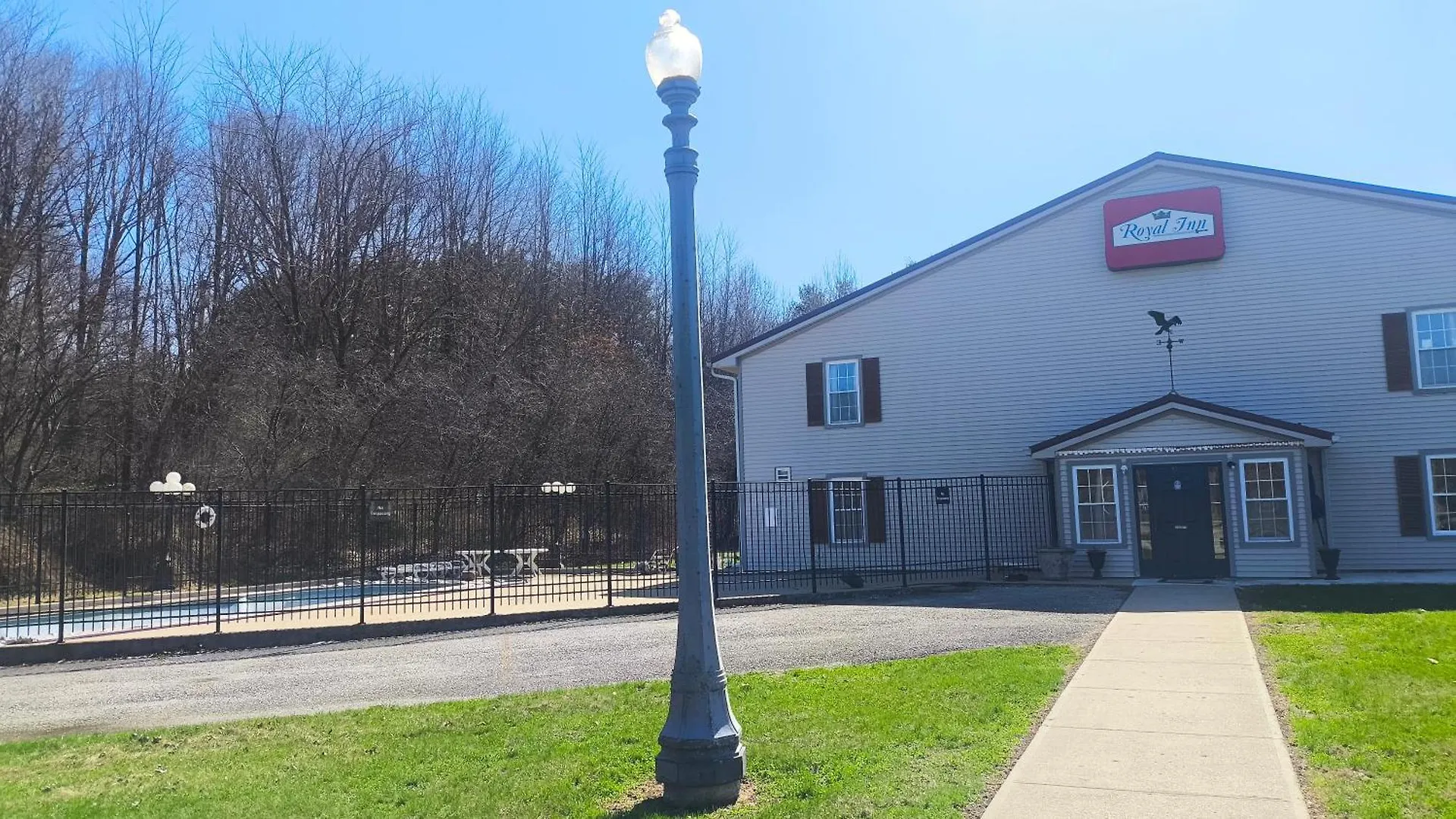
Magnuson Hotels operates one of the largest independent hotel networks in the United States, offering branded stays across small towns and regional hubs that major chains often overlook. The four properties covered here span Indiana, Idaho, Michigan, and California - each serving a distinct traveler need, from national park access to lakeside stopovers. This guide breaks down what each hotel delivers, where it sits logistically, and how to make the right booking decision based on your route.
What It's Like Staying in the United States
The United States spans six time zones and an extraordinary range of landscapes - from the dense forests of the Pacific Northwest and the Sierra Nevada peaks of California to the flat agricultural heartland of Indiana and the Great Lakes shoreline of Michigan's Upper Peninsula. Crowd levels vary sharply by region, with coastal and national park destinations filling up fast between June and August, while Midwest and rural stays remain accessible year-round with minimal congestion. Travelers who stay outside major metro areas - in towns like Bonners Ferry, Idaho or Escanaba, Michigan - typically gain proximity to outdoor attractions with around 60% lower nightly rates than comparable stays in cities like Chicago or San Francisco.
Rural US stays reward self-sufficient travelers with cars, since public transit is largely absent outside urban centers. Those who need walkable neighborhoods or airport connectivity within minutes will find small-town properties less convenient by design.
Pros:
- Enormous geographic diversity - one country covers desert, alpine, coastal, and forest terrain within driving distance depending on your base
- Free parking is standard at most non-urban hotels, eliminating a cost that runs high in city stays
- Continental breakfast is commonly included at regional and independent hotels, reducing daily food costs
Cons:
- Car dependency is near-total outside major cities - no rental car means limited access to attractions at most rural properties
- Weather windows for outdoor destinations are narrow; national parks near these hotels can be inaccessible or overcrowded outside a short seasonal peak
- Small-town dining options near budget hotels are limited, often reducing evening meals to fast food or gas station options
Why Choose Magnuson Hotels in the United States
Magnuson Hotels positions itself as a soft-brand network - meaning each property retains its individual character while meeting a baseline standard for facilities, WiFi, and cleanliness. In the US context, this translates to consistent free parking, breakfast availability, and non-smoking rooms at properties that sit in secondary markets where major chain flags are absent. Nightly rates at Magnuson-branded properties typically run around 30% below comparable Marriott or Hilton flagged hotels in the same markets, making them a practical choice for road trips and regional itineraries. Room sizes tend to be generous compared to urban boutique options, with most properties offering standard motel-style layouts that prioritize function - coffee makers, flat-screen TVs, and private bathrooms - over design aesthetics.
The trade-off is limited on-site programming - most Magnuson properties don't offer spas, concierge services, or curated experiences. What they do deliver is reliable access to outdoor destinations at a price point that makes multi-night stays financially realistic.
Pros:
- Soft-brand flexibility means each property has distinct local character rather than a uniform corporate feel
- Free parking and breakfast inclusion reduce the total trip cost compared to chain hotels in urban areas
- Properties are strategically located near national parks, state parks, and regional airports rather than in expensive city centers
Cons:
- On-site amenities vary significantly between properties - some have pools and restaurants, others offer only the basics
- Brand recognition is lower than Hilton or Marriott, meaning loyalty points and status benefits don't apply for most travelers
- Evening entertainment and dining near these properties is limited; guests staying multiple nights will need a car and local knowledge
Practical Booking & Area Strategy
The four properties in this guide serve four distinct geographic corridors, each requiring a different booking strategy. The Indiana property in Rockville is best positioned as a stopover on I-70 corridor drives or as a base for Turkey Run State Park, which draws the highest visitor numbers in September when foliage peaks. The Idaho property in Bonners Ferry sits along US-95, making it a natural overnight stop for travelers crossing between Spokane and the Canadian border - book at least 3 weeks ahead in July when cross-border tourism surges. Escanaba in Michigan's Upper Peninsula sees its busiest window between late June and mid-August, when Delta County Airport handles increased regional traffic; the hotel's free shuttle is a genuine logistical advantage here. The Bridgeport, California property is the most tactically positioned of the four - sitting within 20 miles of Bodie Historic State Park and under an hour from Mammoth Mountain, it serves as a dual-season base for both summer ghost town visits and winter ski access.
For any of these properties, booking directly through the hotel's website or a dedicated regional platform rather than large OTAs can yield better rate transparency and cancellation flexibility - particularly important for weather-dependent outdoor itineraries in the Sierra Nevada or Idaho panhandle.
Magnuson Hotels by Region: Midwest & Mountain West
The Indiana and Idaho properties serve inland travelers on distinct route types - one a state park corridor stopover, the other a Pacific Northwest gateway with dining and outdoor infrastructure on-site.
-
1. Royal Inn Rockville In By Hotel O
Show on map


 Check-infrom 14:00 until 23:59Check-outuntil 11:00
Just a few rooms left at the best rate!
fromUS$ 72
-
2. Dodge Peak Lodge
Show on map


 Check-infrom 15:00 until 22:00Check-outfrom 07:00 until 12:00
Just a few rooms left at the best rate!
fromUS$ 94
Magnuson Hotels by Region: Great Lakes & Sierra Nevada
The Michigan and California properties offer the most distinct facility profiles in this group - one with a pool, fitness center, and airport shuttle, the other positioned as the closest hotel base for Bodie Historic State Park and Mammoth Mountain access.
-
3. Magnuson Grand Pioneer Inn And Suites
Show on map


 Check-infrom 14:00 until 23:59Check-outuntil 11:00
Hurry – almost gone at this price!
fromUS$ 79
-
2. Ruby Inn Bridgeport
Show on map


 Check-infrom 15:00 until 23:59Check-outuntil 11:00
Rooms filling fast – secure the best rate!
fromUS$ 195
Smart Travel & Timing Advice for Magnuson Hotels in the US
Booking timing differs significantly across these four properties based on their respective regional demand cycles. The California and Michigan properties are the most time-sensitive - Ruby Inn Bridgeport fills quickly from late June through August as Eastern Sierra road trippers converge on US-395, and last-minute availability in July is unreliable. Magnuson Grand Pioneer Inn in Escanaba sees its peak window compress into roughly 8 weeks between late June and mid-August, after which Upper Peninsula temperatures drop sharply and visitor numbers fall. Idaho's Dodge Peak Lodge is most pressured in mid-summer and during Canadian long weekends, when cross-border travelers from British Columbia increase Bonners Ferry occupancy significantly. Royal Inn Rockville in Indiana offers the most flexible booking window, with September being the strongest month for Turkey Run visits and rates remaining accessible even with short lead times.
For all four properties, booking 4 to 6 weeks ahead for summer travel is a practical baseline. Shoulder season stays - May in California, September in Indiana and Idaho - offer better rate positioning without the crowd density of peak months. None of these properties are well-suited to last-minute winter bookings without checking road conditions first, particularly for Bridgeport (Tioga Pass closes seasonally) and Bonners Ferry (mountain pass conditions on US-95).


