Finding a reliable business hotel near Rocky Mountain National Park means navigating a region where gateway towns like Estes Park, Loveland, Longmont, and Lakewood serve as practical bases for corporate travelers combining meetings with access to one of Colorado's most visited natural landmarks. The hotels in this guide offer the connectivity, workspace infrastructure, and logistical positioning that working travelers actually need - from proximity to Denver International Airport to on-site business centers and consistent WiFi. Whether you're attending conferences along the Front Range or scheduling client visits between Denver and the Rockies, these seven properties deliver the functional value that justifies the stay.
What It's Like Staying Near Rocky Mountain National Park
Rocky Mountain National Park draws around 4 million visitors annually, making the surrounding Front Range corridor - stretching from Estes Park through Loveland, Longmont, and down to Lakewood - one of Colorado's most trafficked lodging zones. Estes Park is the only true gateway town with direct park access, but its limited hotel infrastructure and seasonal road congestion push most business travelers toward Loveland or Longmont, where interstate access is faster and hotel inventory is broader. Traffic on US-34 and US-36 toward the park peaks heavily on summer weekends, so scheduling any park visit on a weekday is a practical necessity for anyone on a tight itinerary.
The Denver metro edge - particularly Lakewood - offers corporate travelers the best of both worlds: urban business infrastructure with mountain access within about 90 minutes' drive to the park's east entrance. Denver International Airport sits roughly 80 km from Loveland-area hotels, making airport transfers straightforward for fly-in corporate guests. Crowd density inside the park requires timed entry permits from late May through October, so spontaneous visits are not feasible during peak season.
Pros:
The Front Range corridor provides multiple interstate-connected hotel hubs (I-25, US-36) within practical distance of both Denver and the park
Loveland and Longmont offer significantly lower nightly rates than Estes Park with comparable highway access
Business travelers can reach downtown Denver for meetings and still access the park scenically without changing base hotels
Cons:
Park entry requires advance timed-entry permits in summer, limiting last-minute itinerary flexibility
Estes Park has very limited meeting or conference infrastructure despite being the closest town to the park
Winter road closures on Trail Ridge Road (closed typically November through late May) can eliminate park access entirely for travelers arriving off-season
Why Choose Business Hotels Near Rocky Mountain National Park
Business hotels along the Rocky Mountain Front Range corridor are notably more functional per dollar than comparable properties in central Denver, largely because they were built to serve a mix of corporate park visitors, regional conference attendees, and extended-stay contractors working along the I-25 industrial corridor. Properties in Loveland and Longmont typically run 20-30% below Denver CBD hotel rates while still delivering business-grade amenities: fitness centers, indoor pools for decompression after long travel days, hot tubs, business centers with printing access, and complimentary buffet breakfasts that cut per diem costs meaningfully. Room configurations in this category tend to skew toward suites or semi-suite layouts, giving traveling professionals a genuine separation between workspace and sleeping area.
The trade-off is walkability - these hotels are highway-adjacent rather than urban-core, meaning you will need a rental car or rideshare for every meal or meeting outside the property. Extended-stay formats like Hawthorn and Homewood Suites are particularly strong here, offering kitchenettes that reduce food costs on multi-night stays. For corporate travelers attending events at Colorado State University, the University of Colorado Boulder, or the Colorado Convention Center, the positioning of these hotels along US-36 and I-25 creates genuine logistical efficiency compared to staying in Denver proper.
Pros:
Suite-format rooms common in this category provide dedicated desk space and kitchenettes for multi-night work stays
Buffet breakfasts included at most properties meaningfully offset daily expenses on extended trips
Indoor pools and fitness centers are consistently available across the category, not an upgrade-only perk
Cons:
Car dependency is total - no walkable dining or meeting venues near most of these properties
Business centers are functional but basic; large-format printing or advanced AV needs require off-site facilities
Properties closer to Denver (Lakewood) cost more and sit farther from the park, requiring a strategic trade-off based on meeting location
Practical Booking & Area Strategy for the Rocky Mountain Corridor
The Rocky Mountain Front Range hotel corridor splits into three distinct positioning zones for business travelers: the Estes Park gateway (park-adjacent, limited inventory, highest seasonal premium), the mid-corridor towns of Loveland and Longmont (best value-to-access ratio, strong interstate connectivity), and the Denver West/Lakewood zone (urban proximity, Red Rocks Amphitheater nearby, Denver airport within 38 km). Loveland and Longmont are the strongest base for corporate travelers needing both park access and Denver meeting flexibility, sitting roughly equidistant between the two. For travelers flying into Denver International Airport, Lakewood properties shave significant transfer time versus driving all the way to Loveland.
Summer timed-entry permits for Rocky Mountain National Park sell out weeks in advance on recreation.gov - booking park access the same week you book your hotel is non-negotiable from late May through mid-October. The quietest window for both pricing and park access is September through early October, when elk rut season also makes wildlife viewing exceptionally active without full summer crowds. Popular park attractions including Trail Ridge Road (the highest continuous paved road in the US), Bear Lake, and Moraine Park are most accessible mid-week. For business travelers extending a trip into the park, allocating a full extra day is realistic - the park covers over 415 square miles, and driving Trail Ridge Road alone takes around 3 hours round-trip from the east entrance.
Best Value Business Stays
These properties deliver solid business-grade infrastructure at competitive Front Range rates, positioned in Loveland and Longmont for strong interstate access to both Denver and the park's east entrance.
-
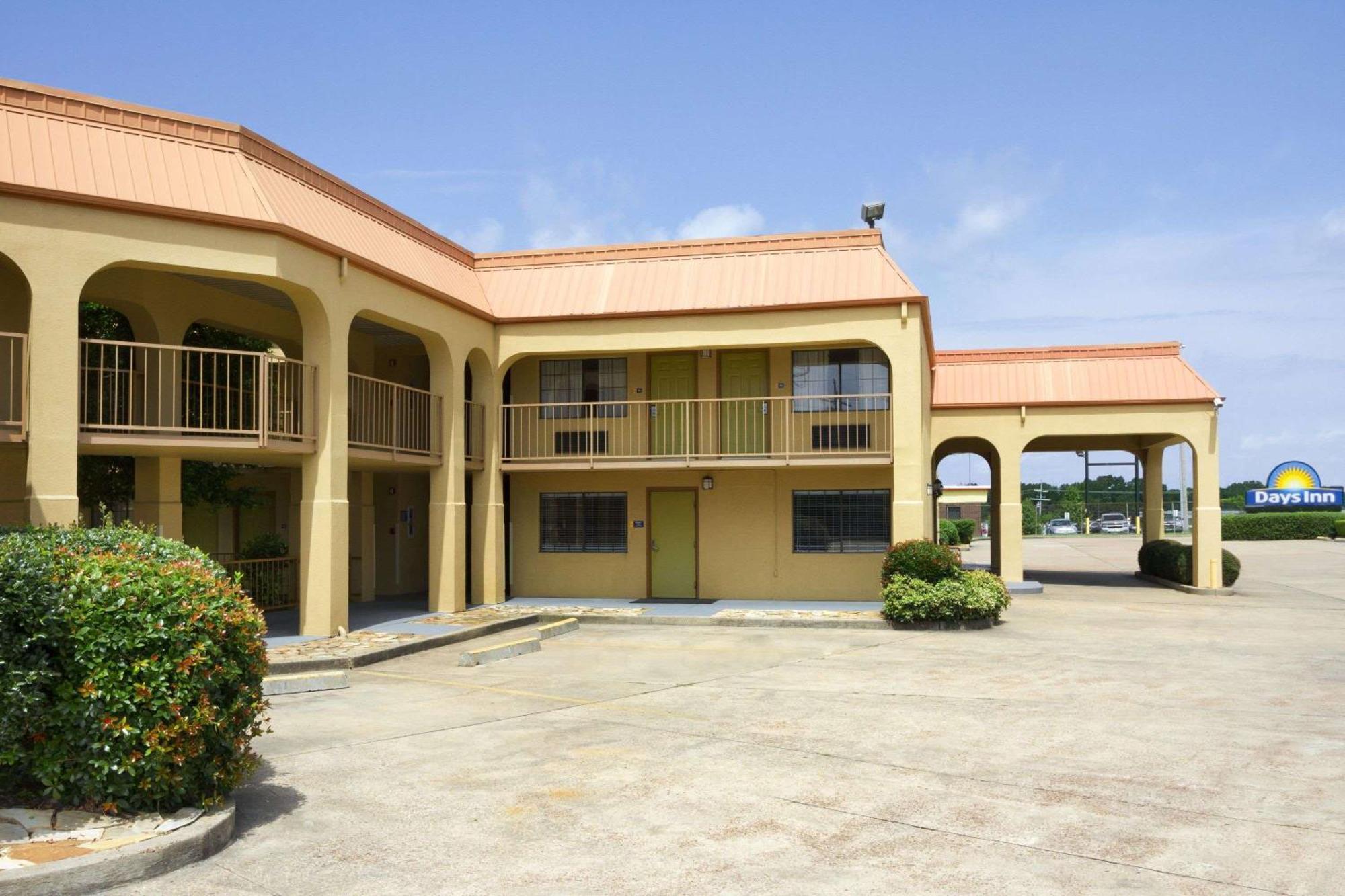
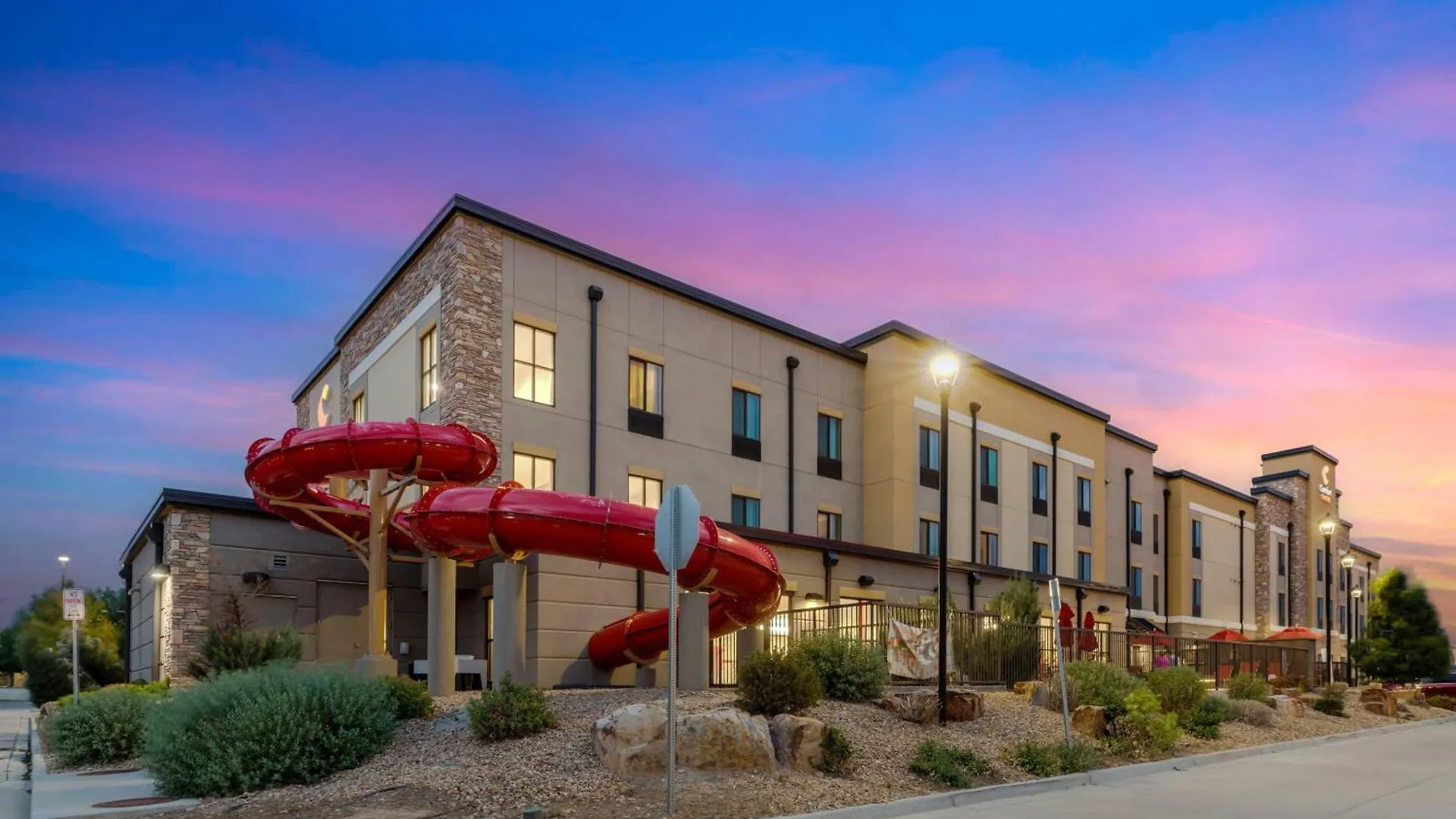
1. Comfort Suites Loveland
Show on map


 Check-infrom 15:00 until 23:59Check-outuntil 11:00
Just a few rooms left at the best rate!
fromUS$ 106
-
2. Travelodge By Wyndham Longmont
Show on map


 Check-infrom 15:00 until 23:59Check-outuntil 11:00
Just a few rooms left at the best rate!
fromUS$ 100
-
3. Holiday Inn Express & Suites - Firestone - Longmont By Ihg
Show on map


 Check-infrom 15:00 until 23:59Check-outuntil 11:00
Just a few rooms left at the best rate!
fromUS$ 130
-
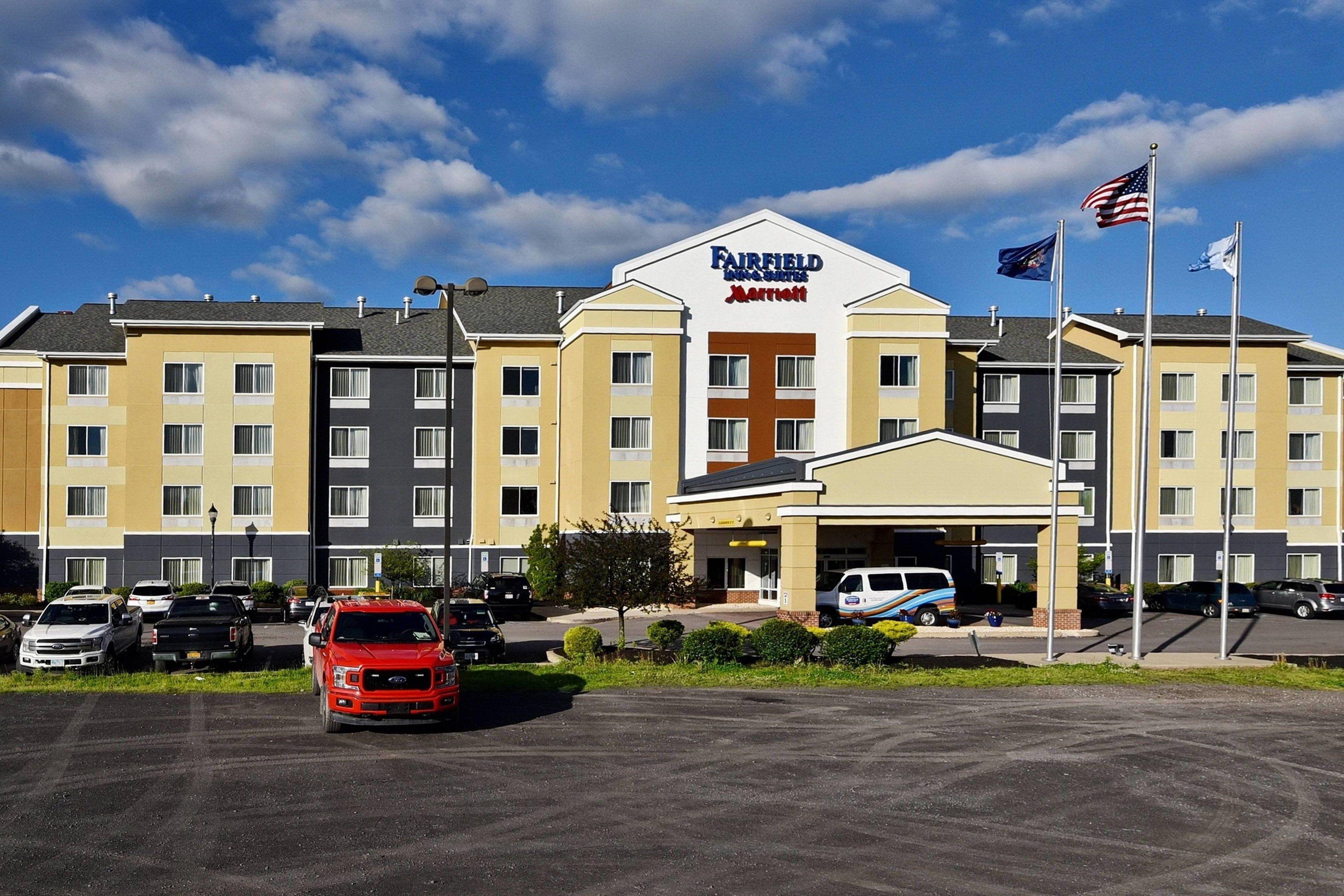
4. Hawthorn Extended Stay By Wyndham Loveland
Show on map


 Check-infrom 15:00 until 23:59Check-outuntil 11:00
Hurry – almost gone at this price!
fromUS$ 94
Best Premium Business Stays
These properties offer elevated amenities, stronger dining infrastructure, or Denver-metro positioning - best suited for corporate travelers requiring proximity to the city's convention and entertainment venues while maintaining Rocky Mountain access.
-
5. The Stanley Hotel
Show on map


 Check-infrom 16:00 until 23:59Check-outuntil 11:00
Hurry – almost gone at this price!
fromUS$ 185
-
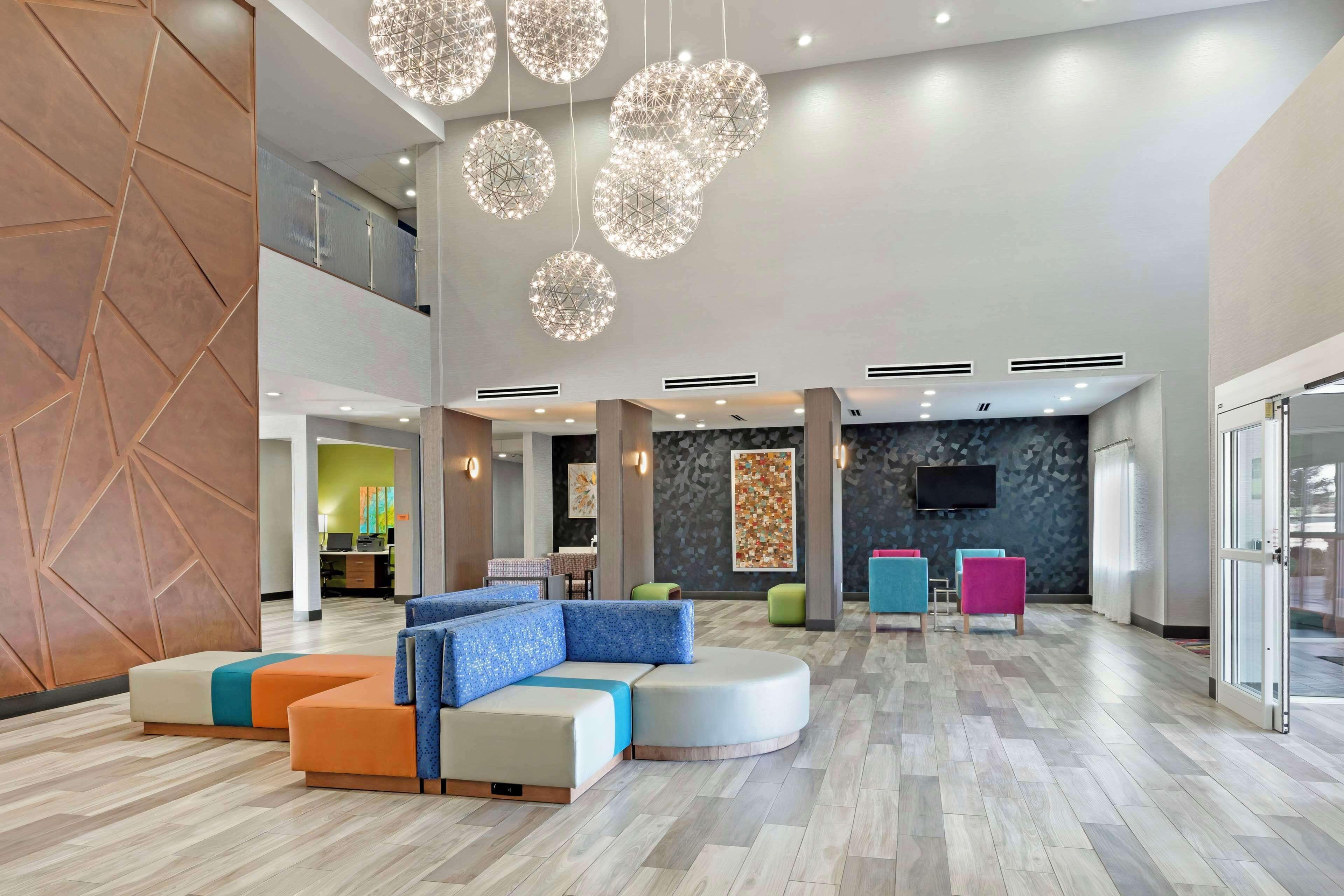
6. Holiday Inn Denver Lakewood By Ihg
Show on map


 Check-infrom 15:00 until 23:59Check-outuntil 11:00
Rooms filling fast – secure the best rate!
fromUS$ 133
-
3. Homewood Suites By Hilton Denver West - Lakewood
Show on map


 Check-infrom 15:00 until 23:00Check-outuntil 12:00
Rooms filling fast – secure the best rate!
fromUS$ 219
Smart Timing & Booking Strategy for the Front Range
Rocky Mountain National Park operates timed-entry permits from late May through mid-October, and permits for Bear Lake Road sell out within days of release on recreation.gov - book park access the same session you book your hotel, not after. Summer weekends (June through August) represent the absolute peak for both park crowding and Front Range hotel pricing, with rates at Estes Park-adjacent properties rising sharply; Loveland and Longmont properties see more moderate seasonal increases. September through early October is the tactical sweet spot for business travelers extending into leisure: elk rut activity peaks, crowds thin noticeably compared to August, and hotel availability improves across all tiers.
For travelers with scheduling flexibility, a Tuesday-Thursday arrival window consistently delivers better rates than weekend stays across the Loveland and Longmont corridor. Winter visits (November through April) eliminate park timed-entry requirements and reduce hotel rates meaningfully, but Trail Ridge Road closes entirely, limiting park access to lower-elevation areas near the east entrance. Allocating a minimum of 2 nights at a Front Range base is the practical minimum for combining a full workday with a meaningful park visit - attempting both in a single day consistently results in a rushed experience on one side or the other.